
(TrendHunter.com) Consumers around the world are working from home and staying in their dwelling in the midst of the COVID-19 pandemic, so brands are taking notice with new products like the Balenciaga Home Sandal….
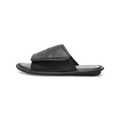
(TrendHunter.com) Consumers around the world are working from home and staying in their dwelling in the midst of the COVID-19 pandemic, so brands are taking notice with new products like the Balenciaga Home Sandal….
(TrendHunter.com) High-end fashion house Balenciaga launches a pair of luxury home sandals to encourage its consumers to stay home comfortable and in style. The footwear is made with classic smooth black leather…


(TrendHunter.com) Luxury fashion house Prada announced its Time Capsule selection of shirt launches earlier this year and the latest to join is the May shirt. The most notable element of the top is the exclusivity of…
Queen of Raw, a blockchain and AI-powered platform that pairs buyers and sellers of unused fabrics, is one of three teams that has landed funding via MIT Solve, a Massachusetts Institute of Technology initiative.
Led by cofounder and chief executive officer Stephanie Benedetto, Queen of Raw is the “2019 Circular Economy Solver.” Access Afya, a Kenya-based health-care center that caters to the urban poor, and Kinedu, an app that specializes in video-based, research-supported activities for children under age four, are also receiving funding.
With $120 billion worth of unused fabric stowed away in factories and being burned or buried, Queen of Raw works to make those sustainable materials available to people at any time and from any place. Deadstock and sustainable fabrics can be bought and sold online through its marketplace. Factories, brands and retailers post their unused fabric for resale on the platform so that purchasers can have easy access to new materials at lower price points.
Orders can vary from one yard to one million yards. The company claims to have saved more than one billion gallons of water through its efforts. With the global textile market expected to hit $1.23 trillion by 2025, less than 1 percent of material used
Follow WWD on Twitter or become a fan on Facebook.
“Because I didn’t have anything to fall back on, I had to figure out how to make it work,” said Norma Kamali, speaking at FIT’s Hue Live! event Tuesday night about her 53-year career.
“And it wasn’t easy for sure. It took 14 years before anybody outside of the underground, cult-y group of people knew who I was and what I was doing. It took a long time to get to a certain point because I decided to be independent,” said Kamali.
The designer, who graduated from FIT in 1965 with a degree in illustration, was interviewed virtually by Alex Joseph, managing editor of Hue, FIT’s magazine. Topics ranged from fashion shows and gender-fluid clothing to Farrah Fawcett, the pandemic, and an offshore manufacturing proposition.
In the past, Kamali has said she never wanted to be the richest or most famous designer.
“You have to make a decision about what’s important to you. Living a creative life was for sure very important to me,” said the 74-year-old designer, who’s best known for her sleeping bag coat, parachute collection, body-conscious clothes and daring swimwear. She understood that may not mean she’d make a lot of money or be the most famous designer. She never cared
Follow WWD on Twitter or become a fan on Facebook.